Introduction: The Internet's Evolution is Here
Remember the early days of the web? Static pages, dial-up connections, and the iconic "You've got mail!" alert. That was Web 1.0—the read-only web. Then came Web 2.0—the interactive, social web dominated by giants like Facebook, Google, and Amazon. But this centralized model has come at a cost: our data, privacy, and digital autonomy.
Now, a new paradigm is emerging: Web 3.0. This isn't just an upgrade—it's a fundamental reimagining of the internet's architecture, control, and value distribution. In this guide, we'll break down what Web 3.0 really means, why it matters, and how it's set to transform your digital life.
What Is Web 3.0? Moving Beyond the Hype
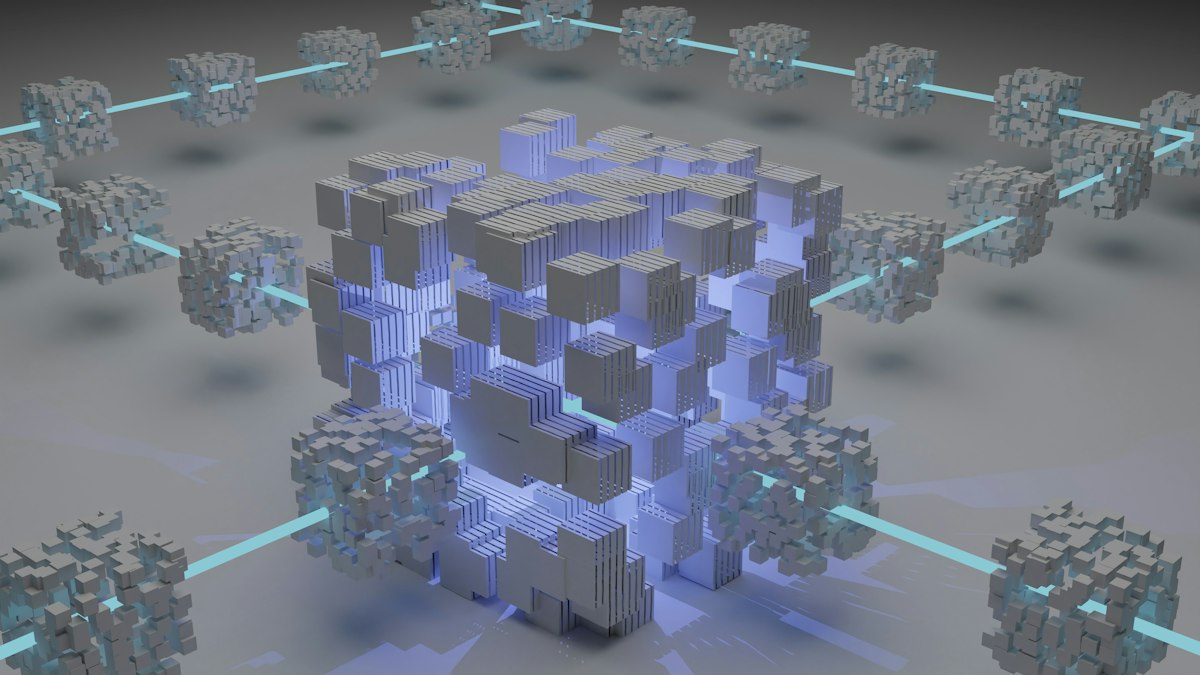
At its core, Web 3.0 is a decentralized internet built on blockchain technology. Unlike today's web, where power rests with a handful of corporations, Web 3.0 distributes control back to users through:
- Decentralized networks (no single point of control or failure)
- Blockchain protocols (transparent and unchangeable records)
- Token-based economics (users own and benefit from their contributions)
- Self-sovereign identity (you control your digital identity)
- Smart contracts (self-executing agreements without intermediaries)
Think of it as moving from renting your online presence from Big Tech to owning it outright.
The 4 Pillars of Web 3.0: What Sets It Apart
1. Decentralization: Power to the People
Instead of data sitting on centralized servers, Web 3.0 spreads it across a network of independent nodes. This means: no single company can censor or control the network; reduced risk of massive data breaches; greater uptime and resilience.
2. Blockchain & Cryptocurrency: The Trust Layer
Blockchain provides the foundation for trust in Web 3.0: Transparency—all transactions are visible and verifiable; Immutability—records cannot be altered or deleted; Tokenization—new models for ownership and value exchange; Smart contracts—code that automates agreements.
3. Semantic Web: Context-Aware Intelligence
Web 3.0 aims to make data machine-readable, enabling smarter search results based on meaning, not just keywords; deeper connections between information; and personalized experiences that don't sacrifice privacy.
4. Artificial Intelligence & Machine Learning
Paired with decentralized data, AI can deliver personalization without invading privacy, improve predictions and automation, and power intelligent agents that work on your behalf.
Real-World Web 3.0 Applications Already Making Waves
Decentralized Finance (DeFi)
DeFi rebuilds financial systems—lending, borrowing, trading—on blockchain: Compound & Aave—earn interest on crypto without a bank; Uniswap—trade tokens directly, peer-to-peer; MakerDAO—access loans without credit checks.
Creator Economy 2.0
Web 3.0 gives creators unprecedented control: NFTs—artists sell digital art with built-in royalties; Mirror.xyz—writers publish and monetize while keeping ownership; Audius—musicians connect directly with fans.
The Metaverse & True Digital Ownership
Virtual worlds are becoming real economies: Decentraland & The Sandbox—own virtual land as NFTs; interoperable assets—use digital items across platforms; play-to-earn games—like Axie Infinity, where gaming generates income.
Decentralized Autonomous Organizations (DAOs)
DAOs are community-run organizations on the blockchain: ConstitutionDAO—raised $47M to bid on the U.S. Constitution; Friends With Benefits—a social DAO for cultural creators; CityDAO—managing real-world land through collective governance.
The Challenges: What's Holding Web 3.0 Back?
Web 3.0 isn't without its hurdles:
1. Scalability Issues
Blockchains like Ethereum handle 15–30 transactions per second—Visa handles 65,000. Layer-2 solutions are emerging to close this gap.
2. Complex User Experience
Private keys, wallet addresses, and gas fees create a steep learning curve compared to Web 2.0's simplicity.
3. Regulatory Uncertainty
Governments are still figuring out how to regulate decentralized tech without killing innovation.
4. Environmental Impact
Proof-of-work blockchains (like Bitcoin) use significant energy. Alternatives like proof-of-stake (Ethereum 2.0) are greener.
5. Centralization Creep
Some "decentralized" projects are increasingly controlled by venture capital—a tension the space is still navigating.
How to Prepare for Web 3.0: A Practical Guide
For Individuals
- Learn the basics of blockchain and crypto
- Set up a digital wallet (MetaMask is a great start)
- Try decentralized apps (dApps) with small amounts
- Secure large holdings with a hardware wallet
- Join Web 3.0 communities to learn with others
For Businesses
- Explore tokenizing assets or loyalty programs
- Research DAOs for community engagement
- Consider NFTs for digital collectibles or verification
- Look into decentralized storage (IPFS, Arweave)
- Stay updated on regulatory changes in your sector
For Developers
- Learn Solidity for Ethereum smart contracts
- Experiment with Web3.js or Ethers.js
- Build on testnets before going live
- Explore other chains like Polygon, Solana, or Avalanche
- Contribute to open-source Web 3.0 projects
What's Next? Predictions for Web 3.0's Future
Short-term (1–2 years)
Better scalability via layer-2 solutions; smoother user experiences; clearer regulations in key markets; growing enterprise blockchain adoption.
Medium-term (3–5 years)
DeFi reaching mainstream adoption; interoperability between blockchains; widespread decentralized identity use; meaningful migration from centralized social media.
Long-term (5+ years)
Web 3.0 as the default for new internet apps; DAOs redefining corporate structures; AI integrated with decentralized data; a global, open financial system.
Conclusion: The Decentralized Future Is Being Built Today
Web 3.0 is more than a tech upgrade—it's a movement toward user sovereignty, fair value sharing, and open participation. Challenges remain, but the momentum is undeniable.
The shift won't happen overnight. Web 2.0 and Web 3.0 will coexist for years. But the trajectory is clear: the internet is evolving toward greater user control, transparency, and opportunity.
The best part? You can help build it. Whether you're a user, developer, entrepreneur, or curious observer, everyone has a role in shaping the internet's next chapter.
The question isn't if Web 3.0 will arrive—it's how prepared you'll be when it does.
Ready to dive deeper? Subscribe to our newsletter for weekly Web 3.0 insights, or check out our beginner's guide to setting up your first crypto wallet. The decentralized future awaits!